

European Roulette: How to Play, Tips and Strategies
European Roulette features a single-zero wheel, a variety of wagers and choices about how to bet, but no system can eliminate chance. The game has a long history, and learning the rules can make it easier to follow. This guide explains its origins, table layout, bet types and payouts, as well as familiar betting systems and practical ways to manage play.
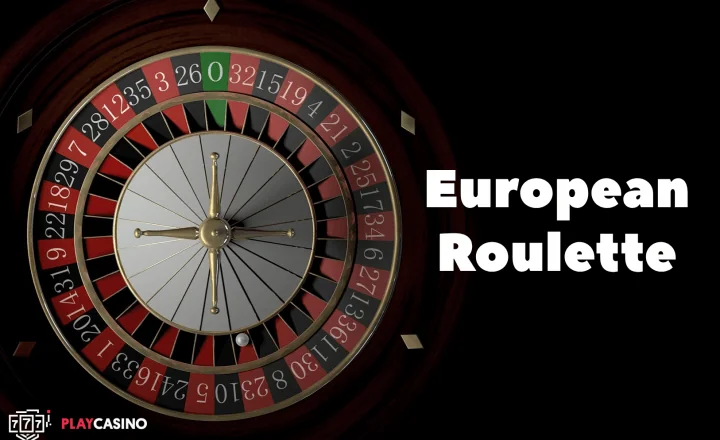
Key Points
- The single-zero layout gives European Roulette a lower house edge than American Roulette.
- Martingale, Fibonacci, D’Alembert and Labouchère are systems players can use to structure wagers; none changes roulette’s random outcomes.
- Responsible play can involve carefully choosing a casino, setting a bankroll and practising with free-play options. These steps do not guarantee winnings or eliminate risk.
European Roulette Explained
European Roulette emerged in the 17th century and developed into its familiar modern form, with 37 pockets and one zero. Its layout sets it apart from other versions, including American Roulette, which has 38 pockets and two zeros. With only one zero pocket, the European wheel offers better odds for straight-up bets than the American layout.
European Roulette is played in land-based casinos and online. Its stated house edge is 2.63%, lower than American Roulette’s, though a lower edge does not guarantee a win. Wagers include inside, outside and special bets, each covering different numbers or parts of the wheel.
The Origins of European Roulette
European Roulette traces its history to the 17th century, with later developments shaping the version played today. In mid-19th-century Germany, Francois and Louis Blanc introduced a single-zero wheel in an effort to make the game fairer for players. Earlier roulette wheels had both 0 and 00 pockets, giving the casino a greater advantage.
French Roulette includes two rules not found in European Roulette: “la partage” and “en prison”. These options lower the house edge and can make French Roulette more favourable to players.
Wheel and Table Layout
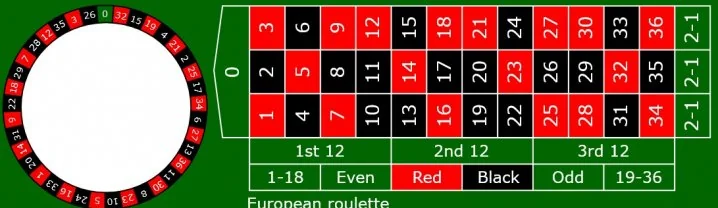
A European Roulette wheel has 37 pockets: numbers 1-36 and a single green zero. On the table, wagers are placed inside or outside, giving players several ways to choose numbers.
Inside bets cover individual numbers or small groups of neighbouring numbers. They pay more when successful but win less often. Outside bets cover broader groups and typically pay less, while offering a better chance of winning.
Understanding the wheel and table layout helps players see which choices are available before placing a wager.
How to Play: The Basics
A typical European Roulette round follows these steps:
- Pick where you think the ball might land
- Choose the matching wager
- Players put chips on their selected bet
- Once betting closes, the croupier spins the wheel
- The croupier announces the result
- The croupier collects losing bets and pays players whose wagers match the result.
Whether played in a casino or online, much of the excitement comes from waiting to see whether the ball lands on the chosen number or group. The range of bets lets players pick an approach that suits their preferences and risk tolerance, but does not alter the game’s chance-based outcome.
European Roulette Betting Options
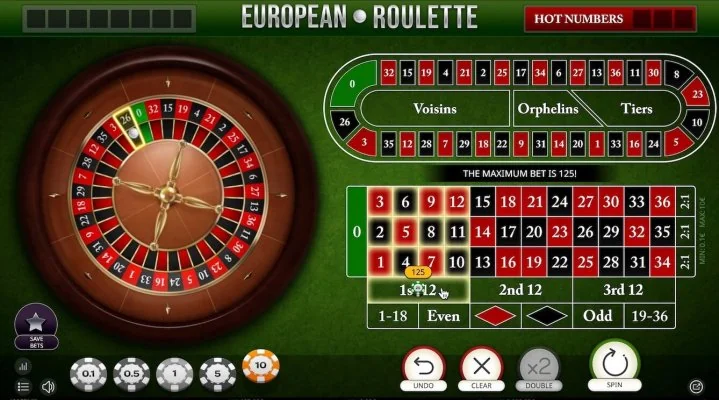
European Roulette offers inside, outside and special bets. Inside bets target one number or a small group; they pay more but are less likely to win. Outside bets cover larger groups, usually paying less but winning more often.
Announced, or called, bets also group numbers based on their positions around the wheel. Understanding what each wager covers and how it pays can help players make informed choices, but it cannot change the random result of a spin.
*For more on roulette bets and rules, take a look at our “The Rules of Roulette & Types of Bets” article.
Inside Bets
Inside bets focus on one number or a small group. They offer higher payouts but have a lower chance of winning. Common types include:
- A straight-up bet on a single number
- A split bet covering two numbers
- A street bet on three consecutive numbers
- A corner bet covering four numbers that meet at a corner of the table
Payouts for inside bets vary by wager. The amounts shown are:
- Straight-up bets pay 35:1
- Split bets pay 17:1
- Street bets pay 11:1
- Corner bets pay 8:1
- Line bets pay 5:1
Comparing the payout and odds for each inside bet helps clarify its trade-offs.
Outside Bets
Outside bets cover larger groups of numbers than inside wagers. They pay less but have a higher chance of winning. Options include:
- Even-money bets, such as red or black
- Odd or even numbers
- High or low numbers
- Dozen or column bets
Outside bets generally pay less than inside wagers: even-money bets pay 1:1, dozen bets 2:1 and column bets 2:1. Comparing what each option covers and pays can help players decide how to spread their wagers, but cannot guarantee a win.
Special Bets
Some special bets in European Roulette are:
- Neighbours of Zero
- Zero Game
- Tiers du Cylindre
- Orphans bet
Each bet groups numbers according to their positions on the wheel.
These bets cover specific sections of the wheel and can bring variety to a round. Their extra complexity does not guarantee an advantage or result; European Roulette is still a game of chance.
Odds and Payouts
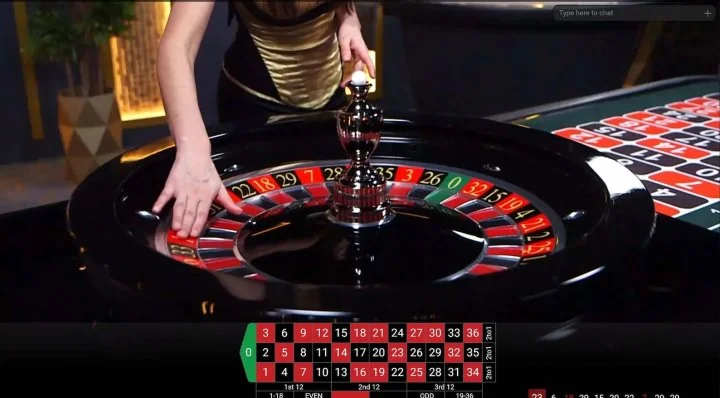
Reviewing the odds and payouts for European Roulette wagers can help show what each bet covers and returns. The figures below include the straight-up bet:
- Straight Up: 2.7% odds, payout of 35 to 1
- Split: 5.4% odds, payout of 17 to 1
- Street: 8.1% odds, payout of 11 to 1
- Corner: 10.8% odds, payout of 8 to 1
- Line: 16.2% odds, payout of 5 to 1
Outside bets generally pay less but cover more possible outcomes, which may appeal to beginners or players who prefer less volatile wagers.
Knowing the odds and payouts of each bet type helps players weigh risk against reward. This information can guide betting choices, but it does not make a win more likely in European Roulette.
*For further information on roulette odds, see our “Roulette Odds” article.
Popular European Roulette Strategies
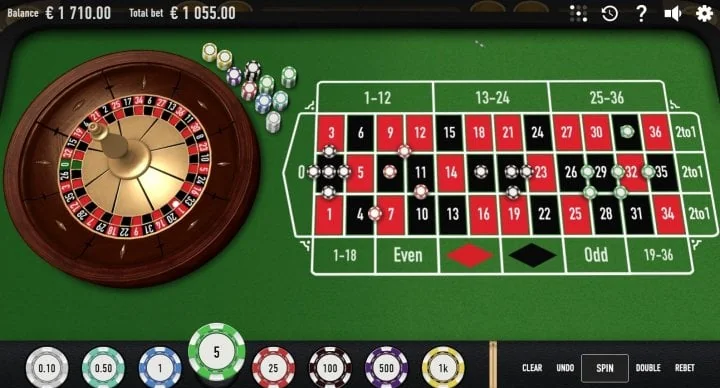
A number of familiar betting systems give players a pattern to follow when placing roulette wagers:
- Martingale system
- Fibonacci system
- D’Alembert system
- Labouchère system
Each system arranges bets in a different way and may help players manage their stakes from round to round. None changes the underlying odds or guarantees a win.
European Roulette outcomes are based on chance, so no system can ensure a win. A betting plan can add structure and encourage more deliberate play, but it cannot guarantee success.
*Learn about these and other systems in our complete “Roulette Strategies” guide.
Martingale System
The Martingale system doubles the wager after each loss and is most often used for outside bets. The goal is to recoup previous losses and make a net profit when a bet eventually wins. It requires a substantial bankroll, though, and an extended losing streak can lead to significant losses.
Martingale remains popular with players who prefer outside bets, but its risks should be considered alongside its potential returns. Understanding both can help players decide whether the system suits their preferred way to play.
Fibonacci System
The Fibonacci system bases wager sizes on a number sequence, moving up the sequence after a loss and down after a win. Each value is the sum of the two preceding values; the sequence starts 1, 1, 2, 3, 5, 8 and continues in the same way. The system aims to recover losses over time while avoiding sharp increases in stakes.
The Fibonacci system may lead to modest returns rather than large wins. Its gradual progression may appeal to players looking for a measured approach to organising wagers and tracking their bankroll.
D’Alembert System
The D’Alembert system increases the stake by a smaller amount after a loss and decreases it after a win, often on even-money bets. It seeks a balance between risk and reward, with a slower recovery of losses than Martingale and less exposure to steep increases in wager size.
Players can compare the D’Alembert system’s pros and cons with their preferences and risk tolerance. Its more gradual staking pattern may suit those who want to manage a bankroll over time.
Labouchère System
With the Labouchère system, players create a sequence of numbers and set wagers based on its values, aiming to cross numbers off the sequence as bets win. It requires more tracking than simpler systems because the sequence changes as results come in.
The Labouchère system’s sequence-based method can make betting more involved. Learning how to set up and update the sequence can help players decide whether they want to use it, but it does not promise wins or a more enjoyable session.
Tips for Responsible European Roulette Play
Responsible European Roulette play begins with choosing a casino carefully, setting a bankroll and, when available, using free-play tools. Our linked guidance on playing roulette games online and responsible gambling outlines ways to approach online play while limiting the risk of substantial losses. These practices do not eliminate gambling risks.
Betting systems are just one part of a thoughtful approach. Staying within personal limits can support a healthier relationship with gambling and help players focus on the game rather than treating a system as a way to win.
Choosing a Reputable Online Casino
When selecting an online casino, players may review its published game rules, odds information and licensing. These details can help inform a comparison:
- Licensing and regulation
- Reputation
- Privacy and security information
- Game selection
- Bonus terms and promotions
Checking these details can help players decide whether a casino’s features match their preferences and the experience they want.
Carefully choosing a casino may help players:
- Understand how the site says it protects personal information and funds
- Review the published game rules and fairness information
- Find a selection of games that matches their interests
- Make a more informed decision about the overall experience.
*For tips on assessing casino features, see our “How to Choose an Online Casino” guide.
Managing Your Bankroll
Bankroll management can help players set limits for European Roulette sessions. This includes:
- Deciding on an amount they can afford to lose
- Allocating funds across wagers according to a plan
- Lowering the risk of using the entire bankroll at once
Budgeting, splitting a bankroll into shorter sessions and setting personal loss limits or win goals can add structure to a session. These habits may help limit exposure to losses, but cannot remove the risk of losing money. Bankroll planning is one part of responsible gambling.
Trying Free Play
When an online casino or platform offers free play, players can explore European Roulette rules and practise a betting system without wagering real money. It can help them get to know the game before deciding whether to play for money.
Free-play options let players:
- Test different betting systems without risking money
- Get more familiar with the game
- Think through their choices with a better understanding of how play works
- Decide whether to try real-money play
Free play can help players learn the rules and explore their preferences before placing money bets.
Summary
European Roulette brings together a distinctive single-zero wheel, varied wagers and familiar betting systems. Learning the layout, odds and rules can make the game easier to follow, while setting a bankroll and personal limits can help keep play measured. No strategy guarantees success in a game of chance; informed choices and enjoyment should remain the priorities.